
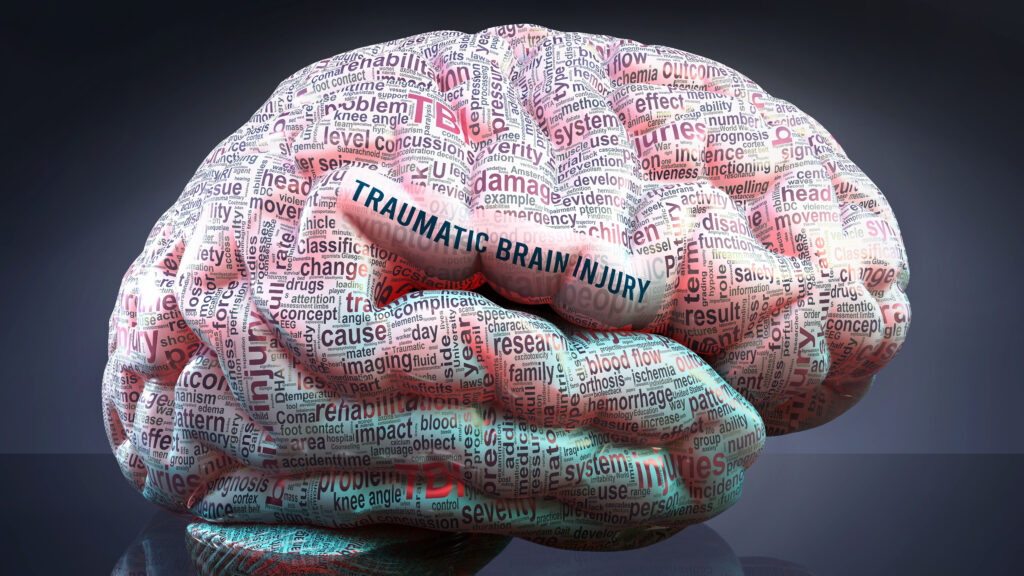
After your car crash, slip and fall, workplace accident, or other incident you were made a victim of, you may incur a brain injury. When you seek intervention from a medical professional, you must listen carefully to the language they use when diagnosing your condition. That is, they may either declare that you have a concussion, a traumatic brain injury (TBI), or mild brain injury. It is important to know the right one, not only to get the proper medical care going forward, but also to cite the correct injury and associated damages in your upcoming personal injury claim. With all that being said, please continue reading to learn the difference between a concussion, TBI, and mild brain injury, and how an experienced Passaic County spinal injury lawyer at the Law Offices of August R. Soltis can help you effectively prove this in your legal claim.
Is a concussion the same thing as a traumatic brain injury?
Simply put, traumatic brain injury is a broader medical category, and a concussion is often considered a mild form of it. Specifically, a concussion is caused by a blow or jolt to the head or body, typical in personal injury accidents, that makes the brain move inside the skull. With this, an insurance company or defendant may attempt to argue that since it is “mild,” it only requires minimal financial compensation. And so, you must fight back with evidence that this injury has still caused you extensive damages, such as expensive medical bills, a significant time away from work, and even long-term physical pain and emotional suffering.
What does a mild brain injury mean in a legal claim?
Well, a “concussion” and “mild brain injury” may arguably be interchangeable terms. But to reiterate, for the sake of your insurance or personal injury claim, you must emphasize that the use of the term “mild” does not mean you have suffered any less. That is, the medical professional who initially treated you may have used the term “mild” to describe early clinical markers. For example, they may have determined that you did not experience a loss of consciousness, exhibit any visible external injuries, or otherwise disclose limited initial symptoms. However, this is not to say that you have not suffered from debilitating symptoms or other long-term impairments since this first examination.
Namely, you may experience persistent post-concussion symptoms like headaches, insomnia, memory loss, difficulty concentrating, and anxiety or depression. Naturally, this may affect your ability to maintain substantial gainful employment activity, and you may accrue further lost wages or overall experience a diminished earning capacity. All the while, it may seem more impossible to keep up with the bills for your necessary follow-up care appointments, prescription medications, therapy sessions, and more. All of this to say, even after being diagnosed with a mild concussion after your personal injury accident, you still have a solid fight to put up against the negligent party.
If you are ready to step foot into this legal path, do not do so until you have retained a skilled Passaic County personal injury attorney from the Law Offices of August R. Soltis. We look forward to your phone call and to taking on your case.
Website Designed & Managed by


© 2026 Law Offices of August R. Soltis. All rights reserved. Attorney advertising.